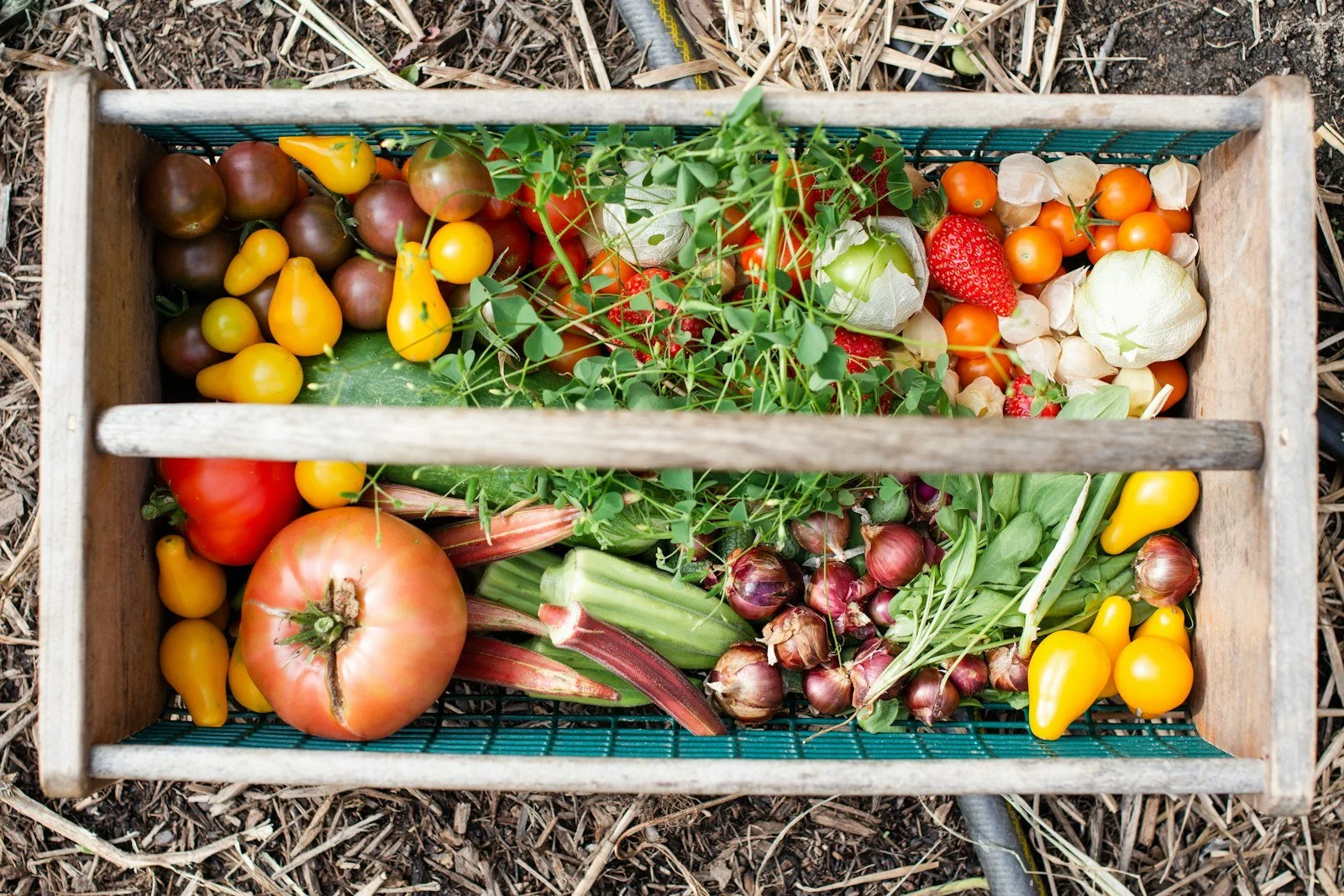
Whole food covers a $20 to $60 weekly grocery budget when the plan comes first. Three bulk-cooked anchors, such as a pot of lentils, a pot of brown rice, and a sheet pan of roasted sweet potatoes, carrots, and onions, feed most meals for four or five days. Dried lentils at about two dollars a pound cook into roughly a dozen half-cup servings, which puts each serving under twenty cents. A list that names quantities, like one 2-lb bag of carrots, stops the pricier impulse swap, and discount grocers, international markets, bulk bins, and the frozen aisle beat a conventional supermarket on staples. One 90-minute cooking session produces the week's meals, and produce gets eaten in order of how fast it fades, with spinach and soft fruit in the first three days and cabbage, carrots, and roots later.
Eating whole foods on a budget starts with one number written somewhere you'll see it daily: what you can spend on groceries this week, after rent, gas, and the field-trip money are already gone. Pick that number before you open a single recipe, because the number decides the cart and the cart decides the meals.
A $20 to $60 weekly budget makes whole food eating on a budget possible if you plan first
Whole food is anything close to its original form with a short ingredient list
Treat whole food as anything that still resembles the plant or animal it came from, with an ingredient list short enough to read before the checkout line moves. That definition lets a lot of inexpensive, shelf-stable food in the door:
Canned beans, chickpeas, and lentils (rinse them to cut some of the sodium)
Frozen vegetables and fruit with nothing added
Canned tomatoes, canned salmon, sardines, and tuna
Rolled oats, brown rice, dried beans, and popcorn kernels
Plain yogurt, milk, and eggs
Peanut butter whose ingredients are peanuts and maybe salt
What stays out is food engineered to be eaten past fullness: flavored instant oatmeal packets, boxed pasta dinners with a powder sachet, granola bars with a paragraph of ingredients, sweetened yogurt cups. When a product leaves you unsure, the ingredient panel settles it faster than the front of the box, and reading nutrition labels in the aisle takes a week or two of practice before it turns automatic.
A loose definition is a budget decision as much as a nutrition one. Strict versions of clean eating steer you toward specialty products with specialty prices, and they make a can of chickpeas feel like cheating. On a tight week, that can of chickpeas is one of the best things in your cart.
Pick a weekly budget tier you can sustain for a month
Pick the tier closest to your situation. The dollar figures below are planning targets, not price quotes. What they buy depends on your region, your store, and the month you shop in, so treat them as a starting frame and adjust after one real trip.
Weekly tier | Who it suits | Cart backbone | What gets cut |
|---|---|---|---|
About $20 (short-term floor) | One adult getting through a lean week or two | Oats, rice, dried beans or lentils, eggs, cabbage, carrots, onions, bananas, frozen vegetables | Meat, fresh berries, most variety; leans on spices you already own |
About $50 | One adult cooking most meals at home | Everything above plus chicken thighs, canned fish, plain yogurt, sweet potatoes, fresh greens, peanut butter | Pre-cut produce, specialty flours, large bags of nuts |
Family (scale per person) | Two adults with kids | The same anchors cooked in double pots, a whole chicken, bigger bags of rice, oats, and frozen fruit | Single-serve snacks and individual packs; more time goes into one weekly batch session |
The $20 tier is a floor for a short stretch. It covers calories and protein, and it gets repetitive fast. The sample plan below sits at the $50 tier, and it scales to a family by doubling the anchors.
Three bulk-cooked anchors cover most meals for under a week
An anchor is something you cook once, in bulk, that shows up in at least three meals. For the sample week, the anchors are a pot of lentils, a pot of brown rice, and a sheet pan of roasted sweet potatoes, carrots, and onions. All three are cheap per serving, all three keep four or five days in the fridge, and none of them gets dull quickly because the flavor comes from what goes on top: cumin and lime one night, canned tomatoes and garlic the next.
This approach keeps planning to about fifteen minutes. You choose the anchors, then fill the gaps with eggs, oats, and whatever produce is cheapest that week. If formal meal plans have never stuck for you, a looser planning method that starts by counting your real cook nights pairs well with this one.
A sample week for one adult at roughly the $50 tier:
Day | Breakfast | Lunch | Dinner |
|---|---|---|---|
Monday | Oats with banana and peanut butter | Lentil and rice bowl with roasted vegetables | Chicken thighs, roasted sweet potato, sauteed cabbage |
Tuesday | Oats with frozen berries | Leftover chicken over rice and cabbage | Lentil soup with canned tomatoes, carrots, and spinach |
Wednesday | Two eggs with leftover roasted vegetables | Lentil soup | Fried rice with eggs, frozen peas, and shredded carrot |
Thursday | Oats with diced apple and cinnamon | Fried rice leftovers | Black bean and rice bowls with cabbage slaw and lime yogurt |
Friday | Plain yogurt with oats and banana | Black bean bowl leftovers | Microwaved potatoes topped with beans, yogurt, and frozen broccoli |
Saturday | Egg scramble with spinach | Leftover potato and bean plate | Salmon cakes (canned salmon, egg, oats) with cabbage slaw |
Sunday | Oats with apple | Salmon cake leftovers on greens | Clean-out soup: stock, remaining lentils, rice, and any vegetables left |
Breakfast repeats on purpose. Oats sit among the least expensive whole foods per serving, and topping them with peanut butter or yogurt adds the protein and fat that carry you to lunch; there's more on why that combination works in this piece on breakfast for steady energy. Lunch is almost always last night's dinner, which removes a whole category of spending. Sunday's soup exists to empty the fridge.
Writing quantities into the list prevents pricier impulse buys
Write the list straight from the plan, grouped the way your store is laid out, so you walk each section once and leave. Quantities matter: a list that says carrots invites a pricier bag of rainbow carrots, while a list that says one 2-lb bag of carrots does not. For a broader pantry reference beyond this one week, keep a fuller holistic grocery list with buying notes by category on hand.
Everything the sample week needs:
Protein: 1 lb dried lentils, 18 eggs, about 2 lb bone-in chicken thighs, 1 can black beans, 1 can salmon, a 32-oz tub of plain yogurt, 1 jar peanut butter (peanuts and salt only)
Grains and pantry: 1 large canister rolled oats, 2 lb brown rice, 2 cans diced tomatoes, 1 bulb garlic, cumin, chili powder, cinnamon, cooking oil, salt
Fresh produce: 3-lb bag onions, 2 lb sweet potatoes, a 3- to 5-lb bag russet potatoes, 2-lb bag carrots, 1 head green cabbage, 1 bag spinach, a bunch of bananas, 3-lb bag apples, 2 limes
Frozen: 1 bag berries, 1 bag peas, 1 bag broccoli
Leave a blank space next to each item and write the shelf price as you shop. After two trips you'll have your own price book, which beats any figure a blog could print, this one included.
Then do the per-serving math on protein, since it's usually the biggest line. Sticker price misleads; the unit price on the shelf tag (per pound or per ounce) gets you closer, and price per serving gets you all the way. Say a one-pound bag of dried lentils costs two dollars at your store. Cooked, it yields roughly a dozen half-cup servings, which puts each one under twenty cents. Run the same math on a box of crackers or a frozen entree and the gap shows up fast, before you even count how long each keeps you full.
For protein specifically, the cheapest whole-food sources tend to fall in this rough order: dried beans and lentils, eggs, canned beans, bone-in chicken thighs or a whole chicken, canned sardines or salmon, then plain yogurt. Ground turkey and chicken slot in when they're on sale. Check your own store, because weekly sales scramble the order.
Discount grocers and bulk bins beat conventional supermarkets on staples
Where you buy matters almost as much as what you buy. A few places tend to beat a conventional supermarket on whole-food staples:
Discount grocers: plain staples like oats, canned tomatoes, and frozen vegetables are often store brand anyway, and a tighter product range means fewer impulse aisles.
International markets: large bags of rice, dried beans, and lentils, plus spices sold in small bags instead of glass jars.
Bulk bins: buy two tablespoons of cumin for one recipe instead of a full jar you'll use twice.
Warehouse clubs: worth it only for things you'll finish before they spoil, like oats, rice, frozen fruit, and eggs for a family.
Farmers markets late in the day: some vendors will discount produce rather than pack it back onto the truck.
The frozen aisle deserves more of your money than it usually gets. Frozen vegetables and berries are picked and frozen close to ripeness, they don't wilt in the drawer, and you pour out a cup and leave the rest. Frozen and canned food fits whole food eating with no asterisk, as long as the ingredient list is the food itself, maybe with water or salt.
Seasonal produce is the other lever. In November that means winter squash, sweet potatoes, cabbage, carrots, apples, pears, and Brussels sprouts, often piled high in bins near the store entrance. A green cabbage is cold and heavy in the hand and squeaks under the knife; it keeps for weeks in the crisper and stretches across slaw, fried rice, and soup. Out-of-season berries and asparagus shipped from far away send the opposite price signal.
Organic is a fair question once the basics are covered. If you're deciding where an organic premium earns its place, start with the produce you eat most and weigh organic vs conventional produce item by item instead of going all or nothing.
One 90-minute cooking session produces the week's meals
Block out about ninety minutes on one day, usually the day after you shop, and run everything in parallel:
Heat the oven and get the sheet pan of sweet potatoes, carrots, and onions roasting first, since it takes longest.
Rinse the lentils and start them simmering with a bay leaf and a smashed garlic clove.
Start the rice on a back burner.
While those cook, shred half the cabbage and roast the chicken thighs on a second pan.
Let everything cool before it goes into containers, then write the day on each lid.
By the end the kitchen smells of caramelized onion and cumin, and four or five days of lunches and dinners are stacked in the fridge.
Then eat your produce in order of how fast it fades. Spinach, fresh herbs, and soft fruit go in the first three days. Cabbage, carrots, roots, apples, and onions carry days four through seven, and frozen vegetables cover anything that runs short. Tender greens saved for a nicer dinner later in the week are the ones that end up in the trash, so sequencing your produce saves more money than most coupons.
The priciest food in your kitchen is the bag of spinach that turns to slime in the drawer, because you paid for every leaf and ate none of it.
Scraps are the last layer of value. Keep a gallon freezer bag for onion skins, carrot ends, celery leaves, and herb stems; when it's full, cover the contents with water, add the chicken bones, and simmer for an hour into stock. Broccoli stems peel and slice into fried rice. Bananas going brown get mashed into oats or frozen for later, and day-old cooked rice fries better than fresh.
Adjust the plan to your kitchen, time, and household size
The plan above assumes an oven, a decent fridge, and a free afternoon. Plenty of weeks offer none of those, and the approach bends to fit.
Canned beans and frozen produce save time without costing much more
Swap dried beans for canned, buy frozen vegetables pre-cut, and repeat two dinners instead of cooking seven. A store rotisserie chicken can be one of the cheaper cooked proteins around; compare its price with raw chicken per pound at your store, since sometimes it wins outright once you count your time. Pull the meat the night you buy it and simmer the carcass into broth.
Cut the batch session down to two pots: one grain, one bean. Salsa, plain yogurt, and a squeeze of lime turn the same base into different meals.
A microwave and one pot handle most of this plan
One pot and a microwave cover most of this plan. Potatoes and sweet potatoes cook in the microwave in under ten minutes when pierced and turned halfway. Lentils, rice, and soup all live on the stovetop. A rice cooker or slow cooker, if you have counter space for one, handles grains, beans, and soups without supervision.
A small fridge changes the shopping rhythm more than the menu. Buy perishables twice a week in smaller amounts, lean on canned fish, canned beans, and canned tomatoes, and save the freezer for vegetables rather than bulky meat.
Freezing single portions makes cooking for one affordable
Cooking for one tempts you to buy small, which nearly always costs more per serving. Cook the full pot anyway and freeze half in single portions, so the second week of chili costs nothing in effort. Buy loose produce (two carrots, one onion) when the bagged version would go soft before you finish it.
For a family, the anchors double and a whole chicken usually costs less per pound than parts. Kids can rinse beans, tear greens, and pick the spices for Sunday soup, which makes the food feel less like a budget plan. If weeknights are where everything falls apart, the routines in nutrition consulting for busy families start from that crunch.
The 5-4-3-2-1 rule works best as a weekly ceiling, not a target
The 5-4-3-2-1 rule is a grocery-list shortcut that circulated widely on social media. In its most common version, one weekly trip includes:
5 vegetables
4 fruits
3 proteins
2 sauces or spreads
1 grain (some versions swap in a treat)
As a whole-food framework, I like it better as a ceiling than a target. It stops the overbuying that leads to wilted produce, and it builds in variety without a formal plan. On a budget, I'd read proteins broadly so dried lentils and eggs count, choose the sauces carefully (salsa and peanut butter qualify; a sugary glaze doesn't), and skip the rule entirely for pantry staples you already own. It also says nothing about quantity, which is the gap an anchor-based plan like Step 2 fills.
The 3-3-3 rule for eating has no single official version. One that circulates often centers on rhythm: three meals a day, spaced roughly three hours apart, with some versions adding three food groups on each plate. It overlaps with budget whole-food eating in a useful way, because regular meals cut down the late-afternoon snack run that drains a grocery budget one vending machine trip at a time. For a plate shape that keeps those meals filling, the holistic balanced plate ratio of half vegetables, a quarter protein, and a quarter grain or starch is easier to follow than counting anything.
Living on $20 a week for food is possible for a short stretch, and it works only when every dollar goes to the most calories and protein you can find. Whether $20 covers it depends heavily on where you live, so price these before you count on them. The cart looks something like this:
A large canister of rolled oats and a bag of rice
A bag of dried beans or lentils
A dozen eggs
A head of cabbage, a bag of carrots, and a bag of onions
Bananas and one bag of frozen mixed vegetables
A jar of peanut butter if anything is left
Cook the beans and rice with onion and whatever spices are already in the cupboard, eat oats with banana every morning, and put eggs and cabbage on everything else. It's monotonous, and it covers the basics while you get through a hard week. If $20 stays your number for longer than a month, food banks, community pantries, and SNAP (in the US) exist for this situation, and using them belongs in the plan.
Cheap whole foods are filling, which helps with weight loss at no extra cost
Eating whole foods on a budget suits a weight-loss goal with no extra spending, because the cheapest whole foods tend to be the most filling. Beans, lentils, oats, potatoes, cabbage, and eggs bring fiber, protein, and water in a way packaged snacks rarely do, so the same plate holds you longer.
The adjustments are small. Keep vegetables at half the plate, aim for a palm-sized portion of protein at each meal, and go easier on peanut butter and oil, which are cheap and dense. Slow down enough to notice when you're satisfied; learning to read your body's hunger signals before reaching for food is a skill worth building alongside the shopping one. If weight loss is tied to a medical condition or medication, bring your doctor into the plan before cutting portions.
Start with Step 1 tonight: write the number, pick three anchors, and price your list on the next trip. Expect the first week to run a little over or a little rough. If the plan keeps stalling on the same thing two or three weeks in, like the Sunday cook that never happens or stress snacking a grocery list can't touch, the obstacle probably sits outside the kitchen. Working through it with health and wellness coaching can help you see what keeps pulling the plan off course, and what a version that fits your actual week might look like, which is rarely the one you'd write on paper.
I’m a brand ambassador with the following companies. Here are the particulars:
Chalkboard Candle Co - https://chalkboardcandleco.com/ - Use code ILENEBETH15 to receive 15% off your order
Own Your Stigma - https://ownyourstigma.com/ - Use code ILENEBETH15 to receive 15% off your order. Additionally, use referral link: https://ownyourstigma.com/?ref=tcwitrnu
Apres Beauty - https://apresbeauty.co/ - Use code ILENEBETH to to receive 20% off your order. Additionally, use referral link https://apresbeauty.co/?ref=upunijjp
Valltees - https://valltees.com?shop_consented_scopes=email%3Averified+openid+pay%3Asession_token+profile+shop%3Aaccount_uuid&shop_sign_in=true - Use code ILENEBETHMILLER to receive 15% off your order. Additionally, use referral link https://valltees.com/?ref=ILENEBETHMILLER
Emmafy - https://emmafy.com/ - Use ILENE44857 to receive 10% off your order https://www.emmafy.com/ILENE44857 to receive your 10% discount
RBF - https://www.rbfmovement.com/ - Use code ILENEBETH to receive 10% off your order. Additionally, use referral link https://www.rbfmovement.com/?ref=ILENEBETH
Disclaimer: I receive compensation for purchases made