A Beginner's Guide to Reading Nutrition Labels the Holistic Way
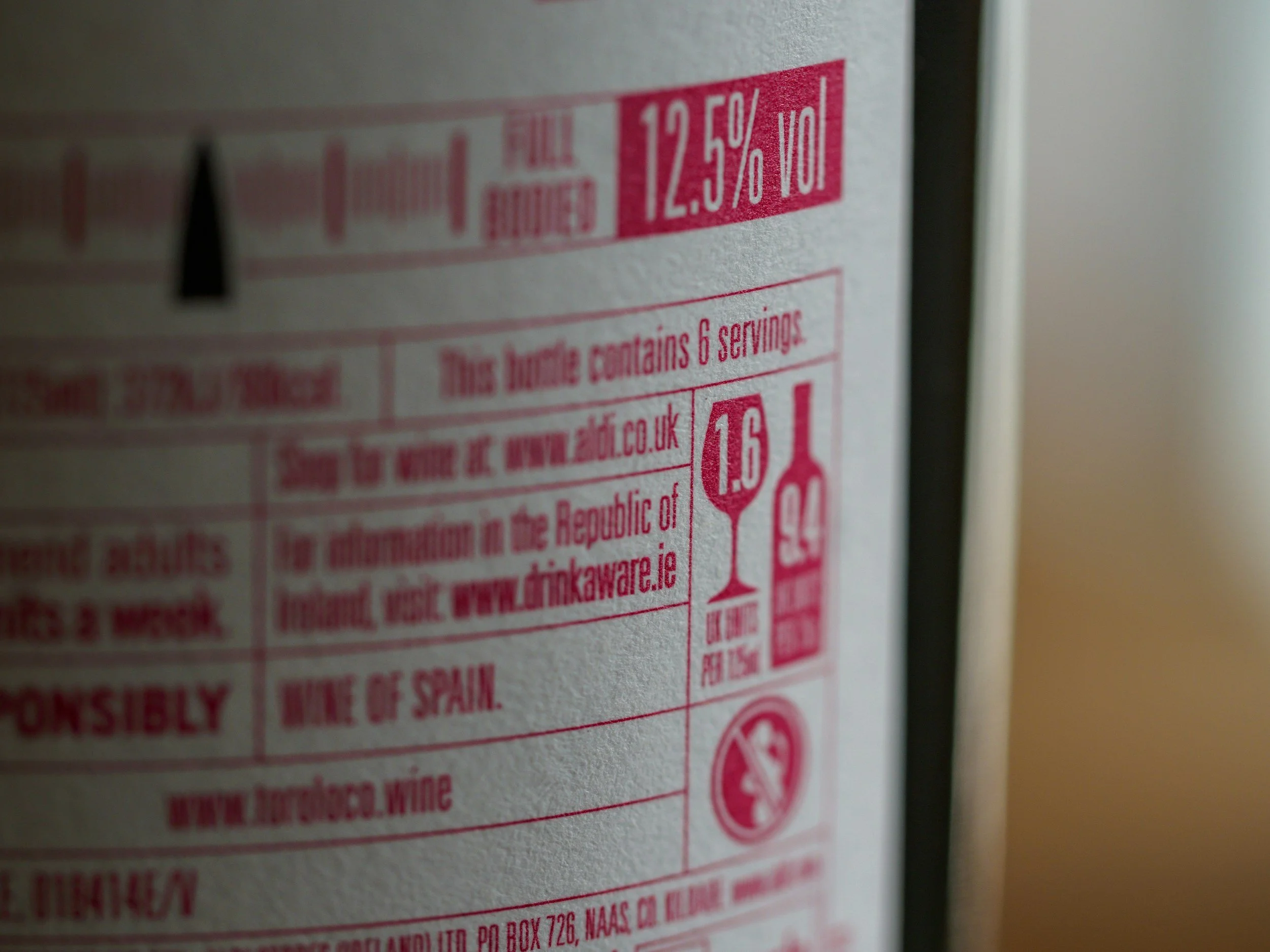
Serving size sits at the top of every Nutrition Facts panel for a reason: it determines whether every other number on the label applies to the portion in hand or to a fraction of it. The FDA standardizes the panel's format, so learning to read one package teaches you to read all of them, while front-of-box claims like "natural" or "wholesome" carry no legal definition and deserve far less trust than the regulated panel on the back. Total sugars include naturally occurring sugars, but added sugars, indented beneath it, count only what was put in during processing, making it the single most useful line on the label. Ingredients are listed in descending order by weight, so the first three reveal most of what a product really is. Percent Daily Value is calculated against a 2,000-calorie reference diet, and the FDA's own rule of thumb treats 5% or less as low and 20% or more as high.
The first number on a Nutrition Facts panel is the only one that can make every other number on the panel a lie. Serving size sits at the top in bold type, and if the bag in your hand holds two and a half servings, the calories, the sodium, the sugar: all of it multiplies by two and a half the moment you finish the bag. Learning how to read nutrition labels starts there, with that one line, before you look at anything else.
This guide walks you from that top line down through the whole panel, explains what percent Daily Value really means (the FDA's actual rule of thumb is clearer than most articles let on), and then shows you how to use the ingredient list as the holistic companion check. The goal isn't to turn grocery shopping into math homework. It's to get you fluent enough that a label takes you eight seconds and tells you something true.
How to Read Nutrition Labels: FDA Standardization Makes It a Transferable Skill
In the United States, the black-and-white panel on the back of nearly every packaged food is a regulated format. The FDA sets what appears, in what order, in what type size. That standardization is the whole reason label reading works as a skill: once you learn the shape of one panel, you've learned all of them. A box of crackers, a tub of yogurt, a jar of pasta sauce, same architecture, same sequence, same units.
Outside the US the format changes. UK and EU packaging uses Reference Intakes rather than Daily Values, lists energy in kilojoules alongside calories, and many British products carry a front-of-pack traffic light system that color-codes fat, saturated fat, sugar, and salt in red, amber, or green. If you shop internationally or order imported goods, check NHS.uk for how the UK scheme works. The underlying logic is the same in both systems: per-serving amounts, plus a reference point to judge whether that amount is a little or a lot.
Here's where I'd push back on how this topic usually gets taught. The label was designed to compare packaged foods to each other. It was never designed to tell you whether a food belongs in your body. An apple has no label. Neither does a bunch of lacinato kale, crisp and cold in the produce bin, or a piece of wild-caught salmon the color of a sunset. The panel is a tool for the aisles in the middle of the store, and it works well for that job. Keep it in proportion.
Top-to-bottom reading order prevents calorie-counting mistakes
Work top to bottom. The panel is ordered deliberately, and reading it out of order is how people end up buying a "100-calorie" snack that costs them 300.
Serving size determines whether all other numbers apply to your portion
Start here every single time. Serving size is listed in a household measure (1 cup, 2 tablespoons, 12 crackers) followed by the metric weight in grams. Directly above it sits servings per container.
Say a bottle of green juice lists 8 fl oz as a serving and 2.5 servings per container. The 90 calories printed below apply to one-third of what you're holding. Drink the bottle, and you've had roughly 225 calories and two and a half times the listed sugar. Pint containers of ice cream, single-serve-looking bags of chips, and most bottled beverages are the usual culprits. Multiply before you judge.
One more wrinkle worth knowing: serving sizes are based on amounts people typically eat, not amounts anyone recommends you eat. A serving size is a measurement unit, not a portion suggestion. If you want guidance on how much really belongs on your plate, the hand-based ratios in my approach to building a balanced plate are a more useful reference than anything printed on a box.
Calorie count matters less than the food's metabolic impact
Calories per serving sit in the largest type on the panel, and they're the number most people fixate on. I'd give them less weight than the layout suggests. Two foods at 200 calories can do completely different things in your body: 200 calories of almonds, with fat and protein and fiber slowing everything down, versus 200 calories of fruit-flavored gummies that spike your bloodstream quickly. Calories tell you about quantity of energy. The nutrient lines below tell you about quality, and quality is what determines whether you're hungry again in forty minutes.
If energy crashes are your real concern, calorie counting is the wrong lever entirely. What matters more is the combination of protein, fat, and fiber in a given food, which is the whole logic behind choosing snacks that hold your energy steady rather than snacks that merely fit a number.
Saturated fat, trans fat, cholesterol, and sodium warrant caution
The upper nutrient block covers saturated fat, trans fat, cholesterol, and sodium. Added sugars appears lower, indented under total sugars. These are the lines where a high number is a reason to pause.
Saturated fat: listed in grams with a %DV beside it. Trans fat is listed in grams only, with no %DV, because there's no amount considered beneficial. Scan the ingredient list for "partially hydrogenated oil" as a backstop.
Sodium: the sneakiest line on the panel. Bread, cottage cheese, canned beans, jarred sauce, rotisserie chicken: savory isn't the same as salty, and plenty of high-sodium foods don't taste that way.
Added sugars: this is the line I'd check before almost any other, and I'll explain why in a moment.
Cholesterol: present on the panel, though current dietary guidance treats it as less decisive than it once was. Saturated fat is the more useful signal here.
Fiber reveals whether a packaged food came from whole ingredients
Below the limit block sit dietary fiber, protein, and a short list of vitamins and minerals, currently vitamin D, calcium, iron, and potassium on US labels (confirm current requirements at FDA.gov, as mandatory nutrients have changed before), each with a %DV. These are the lines where you want the numbers to be higher.
Fiber is the one I'd watch most closely in a packaged food, because it's the clearest tell that something was made from a whole grain or a real legume rather than refined flour with a brown tint. A bread claiming to be whole grain that delivers 1 gram of fiber per slice is doing marketing, not nutrition.
Five percent Daily Value or less signals a minor nutrient contribution
Every %DV on the panel is calculated against a 2,000-calorie daily reference diet. That's a standardized number for labeling purposes, not a prescription for you specifically, and the footnote at the bottom of every panel says so.
The FDA publishes a general rule of thumb for interpreting that column, and it's simpler than most explanations make it:
5% DV or less of a nutrient per serving is considered low. 20% DV or more per serving is considered high. Verify the current guidance at FDA.gov, since labeling standards get revised.
Apply it in both directions. For sodium, saturated fat, and added sugars, you want to land near the low end. For fiber, potassium, calcium, vitamin D, and iron, 20% or more is a win. The American Diabetes Association's materials suggest aiming for less than roughly 10% DV as a simplified guideline (check diabetes.org to confirm their current wording), which works fine as a quick mental shortcut if 5-and-20 feels like too much to hold in a grocery aisle.
Added sugars distinguish factory sweetening from naturally occurring sugars
Total sugars on a label includes everything: the lactose naturally present in plain yogurt, the fructose in a fruit puree, and the cane sugar someone stirred in at the factory. Added sugars, indented beneath it, counts only what was put in during processing.
Plain whole-milk yogurt might show 7 grams of total sugars and 0 grams added. A flavored yogurt in the next cooler case might show 19 grams total and 12 grams added. Same food category, same shelf, completely different proposition; and you'd never see the difference if you only read the total sugars line.
This single comparison is the most useful thing the modern label does, and it's underused. Train your eye to drop straight to the indented added sugars line, then check its %DV. Sauces, granolas, nut butters, protein bars, and anything labeled "lightly sweetened" reward the two seconds it takes.
Ingredient order by weight reveals the product's actual composition
The Nutrition Facts panel tells you how much. The ingredient list tells you what. For anyone eating from a holistic perspective, the second question matters at least as much as the first, and it's the half that most label guides skip past in a sentence.
Ingredients appear in descending order by weight. Whatever is listed first makes up the largest share of the product. If sugar, or any of its aliases, appears in the first three items, you're looking at a confection regardless of what the front of the box claims. Those aliases are worth memorizing: cane juice, brown rice syrup, dextrose, maltodextrin, agave nectar, fruit juice concentrate, barley malt, and roughly fifty others. Manufacturers can split sweeteners across several named forms so that no single one climbs high enough in the list to be conspicuous.
Three practical habits for the ingredient list:
Read the first three ingredients only, on a first pass. Those three tell you most of what the product is. If they're recognizable foods, keep going. If they're refined flour, oil, and sugar, you already know.
Count the sweetener names. Three different sweeteners in one list is a deliberate choice, not a coincidence.
Notice length. A jar of almond butter with one ingredient and a jar with eleven are different products, even when their panels look similar.
This is the same filter I'd apply when building a shopping trip around whole foods in the first place, the logic behind a whole-food focused grocery list is that most of your cart never needs a label at all, which frees up your attention for the items that do.
Normalize serving sizes before comparing two similar products
Here's where the skill becomes real. You're standing in front of two jars of marinara, fluorescent light humming overhead, cart half full, and you have maybe fifteen seconds before the decision stops feeling worth it. Flip both jars.
| What to check | Jar A | Jar B | What it tells you |
|---|---|---|---|
| Serving size | 1/2 cup | 1/4 cup | Jar B's numbers look better because the serving is half the size. Normalize first. |
| Sodium %DV | 18% | 12% (per 1/4 cup) | Doubled to match Jar A's serving, Jar B is 24%. Jar A is the lower-sodium option. |
| Added sugars | 0 g | 4 g | Jar B has sugar in a tomato sauce. Jar A doesn't need it. |
| First three ingredients | Tomatoes, olive oil, garlic | Tomato puree, sugar, soybean oil | Confirms everything above. Jar A wins. |
Notice the order of operations. Serving size first, so the comparison is fair. Then the one or two nutrients you personally care about. Then the first three ingredients as the tiebreaker. That's the whole routine, and after a dozen repetitions it takes less time than reading the price tag.
Make your comparisons within a category, never across categories. Compare crackers to crackers, yogurt to yogurt. Comparing a granola bar to a bag of carrots on %DV produces nonsense.
Front-of-package claims lack the regulatory teeth of back-panel facts
The front of a box is advertising. The back is regulated. Those are not the same genre of writing and they shouldn't carry the same weight with you.
Some front-of-pack terms have legal definitions in the US: "low sodium," "good source of fiber," "reduced fat" all have thresholds behind them. Many of the most persuasive words don't. "Natural," "wholesome," "made with real fruit," "plant-based," "clean", those are mood, not measurement. A cereal can display a sheaf of golden wheat and the phrase "made with whole grains" while whole grain is the fourth ingredient by weight.
The UK traffic light system is a real improvement here, because it puts an at-a-glance judgment right next to the marketing. Red for high, amber for medium, green for low, on fat, saturated fat, sugar, and salt. It's voluntary but widely adopted, and it does in one glance what the US panel asks you to do with arithmetic. US shoppers don't have it, so the back of the package remains the only reliable source.
Your health condition determines which label numbers deserve priority
A label means different things depending on what your body is managing. This is where generic advice stops being useful and personalization starts.
If you're watching blood sugar, total carbohydrate matters more than sugar alone, and fiber is your modifier — fiber slows absorption, so a 30-gram carb food with 9 grams of fiber behaves differently from a 30-gram carb food with 1. The American Diabetes Association's materials at diabetes.org are the place to go for condition-specific thresholds rather than a general guide like this one.
For blood pressure, sodium %DV becomes your primary scan, and you'll want to check it on things that don't taste salty: bread, cereal, canned soup, deli meat, cottage cheese. The American Heart Association publishes current sodium targets at heart.org.
Living gluten-free means the ingredient list and allergen statement outrank the entire nutrition panel — "Contains: wheat" appears below the ingredients in bold, and that line is the one that matters. Low-carb or ketogenic eating shifts attention to total carbohydrate minus fiber. Anyone eating anti-inflammatory will care less about calories and more about the oils in the ingredient list, which is a separate conversation covered in the foods I'd prioritize for lowering inflammation.
Restaurant menus and supplements follow different rules worth knowing about. Large chain restaurants are required to post calories on menus (check current FDA menu-labeling rules for the exact threshold), though the full nutrient breakdown usually lives on their website rather than at the counter. Supplements carry a Supplement Facts panel instead of Nutrition Facts, listing amounts per serving against Daily Values where those exist — but dietary supplements aren't reviewed by the FDA for safety or effectiveness before they're sold, which puts far more weight on who made it.
Obsessive label reading can tip into disordered eating territory
I want to name the shadow side of this skill, because it's real and it doesn't get said enough in beginner guides.
Label literacy is useful right up until it becomes a surveillance habit
If you're standing in the cereal aisle for six minutes comparing panels, if a 3-gram difference in added sugar can reorganize your afternoon, if you've stopped eating foods you love because the numbers made you anxious — the tool has stopped serving you. That shift is worth noticing early, while it's still a tendency rather than a pattern.
The panel is a decision aid for a handful of purchases, not a scorekeeper for your character.
Most of your food, ideally, doesn't come with one. And a great deal of what determines how food lands in your body has nothing to do with the panel: how fast you ate, how much sleep you got, whether you were sitting down or standing over the sink. Stress alone changes the way your body processes what you eat, which means a perfect label-reading practice built on top of chronic overwhelm will only take you so far.
Learning to tell real hunger from a craving will do more for most people than mastering %DV ever will. If your eating runs on autopilot more often than you'd like, the body-scan method for checking in before you eat is the companion skill to everything in this article.
Baseline observation without judgment builds sustainable label literacy
Pick five packaged foods you already buy regularly. Not five foods you're considering buying — five that are in your kitchen right now. Flip each one over. Write down the serving size, the added sugars, the sodium %DV, and the first three ingredients.
That's it. No changes, no swaps, no decisions. Just look. You're building a baseline, and the baseline is what makes the next step obvious. Most people find one or two genuine surprises in those five labels, usually in a product they'd have described as healthy without hesitating. Then choose a single swap. One. Keep the other four exactly as they are.
Knowing how to read nutrition labels is a starting skill, not a finishing one. It opens up the middle aisles of the store without taking over your whole relationship with food, which is the balance worth protecting. If you want help connecting label reading to the bigger picture, what you're eating, why, and what your body has been asking for underneath all of it, that's the kind of work holistic nutrition and wellness coaching is shaped for. And if you're earlier than that, starting holistic nutrition without overhauling everything is probably the better first stop.