How to Meal Plan Without Obsessing Over Every Ingredient
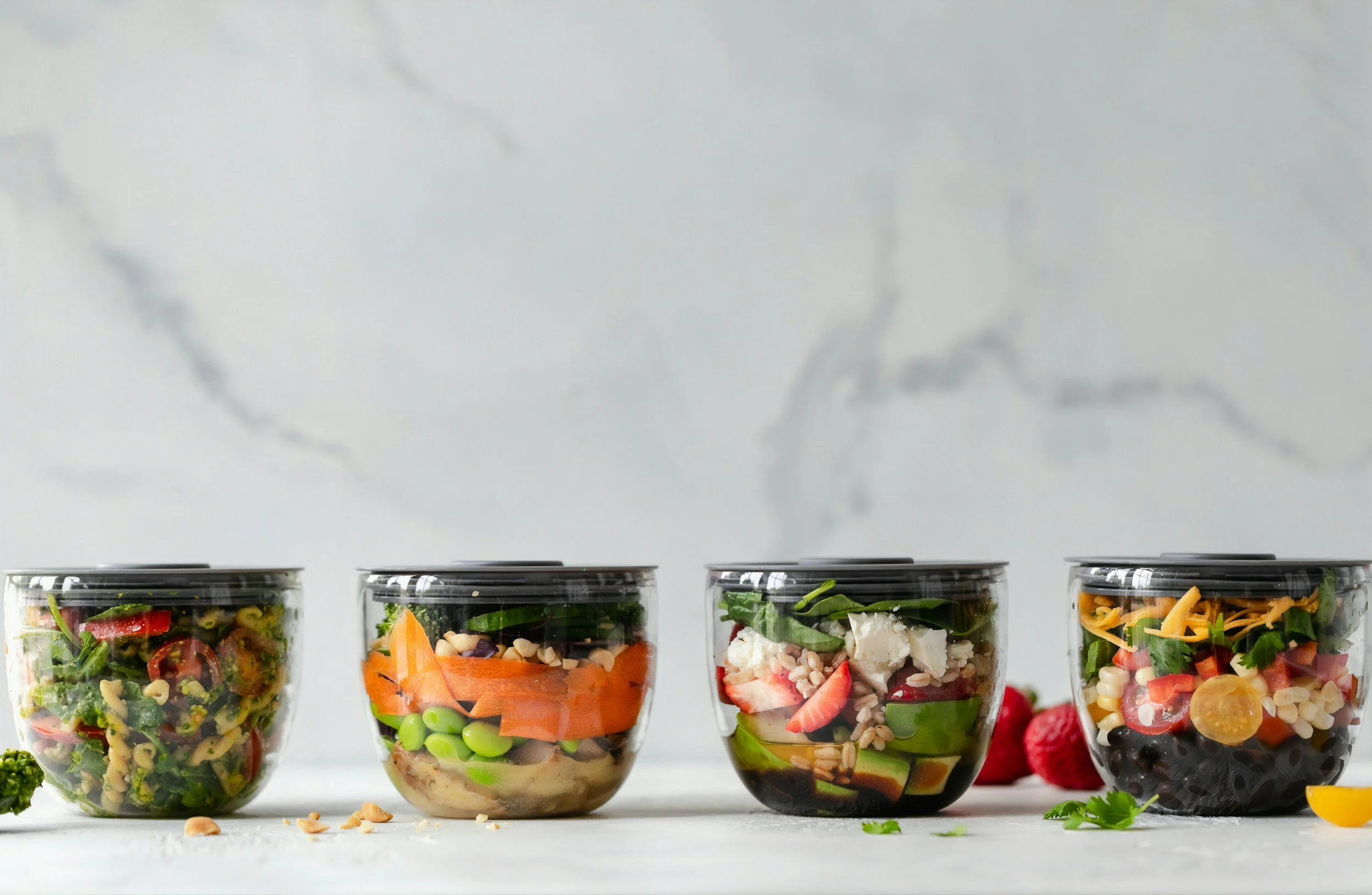
Most meal plans collapse on a Wednesday because they script seven dinners instead of a flexible shape. Simple holistic meal planning builds meals from four component roles, a vegetable, a protein, a complex carb, and a fat, cooked once and assembled differently all week. It accounts for digestion, energy, meal timing, and the emotional side of eating, not just ingredient purity. A ninety-minute Sunday cook producing three components, paired with a clear-eyed count of real cook nights, replaces seven separate recipes with a system that bends around takeout, sick days, and busy weeks instead of failing because of them. The approach adapts to any dietary restriction by changing foods, not structure, and becomes automatic by the third week.
Most meal plans fail on a Wednesday. The Sunday version was beautiful, color-coded, nine recipes deep, and then Wednesday arrived with a late meeting and a kid's dentist appointment and suddenly you're eating crackers over the sink at 9pm. Simple holistic meal planning works differently: you plan a shape, not a script. Four or five building blocks in the fridge, assembled however the week really goes.
This is a system for people who don't want to think about food very much but do want to feel good. It covers what holistic planning means (and how it differs from clean eating), the five-step setup, the shopping, the batch cook, and what to do when the plan falls apart halfway through.
Simple holistic meal planning accounts for how food affects your body and day, not just ingredient purity
Clean eating is a rule about ingredients: minimally processed, nothing with a chemistry-set label, more plants. Good as far as it goes. Holistic planning asks a wider question, which is how the food lands in your actual body and your actual day. Does this meal leave you steady at 3pm or hollow? Does eating it feel like a chore or a pause? Did you sit down, or eat standing with your coat on?
That difference matters because a technically perfect plate eaten in a state of low-grade panic digests badly. Stress shunts blood away from the gut. You can eat the salmon and the roasted sweet potato and still feel bloated and tired, and then conclude the food was wrong when the problem was the five minutes you gave it.
A holistic plan accounts for three things at once: what's on the plate, how your body responds to it, and whether the whole arrangement is sustainable in a normal week.
So the pillars look like this. Whole foods, yes. But also digestion, energy across the day, meal timing against sleep, and the emotional side of eating, which is why learning to tell physical hunger from a craving that's really about something else does more for most people than any grocery swap. The plate is maybe half of it.
One more distinction worth naming: holistic planning is flexible by design. Clean-eating plans tend to be pass/fail. You either stuck to it or you blew it. A holistic approach treats a Tuesday takeout as information, not failure. What were you short on? Time, energy, groceries, or company?
Count your actual cooking nights before choosing any recipes
Before you choose a single recipe, open your calendar and count how many evenings you will truly stand at a stove this week. Not aspirationally. For real.
For most working adults the number is two or three. Sometimes one. If you plan seven dinners and cook two, you've bought five bags of produce that will liquefy in the crisper drawer by Saturday, and the guilt of throwing out slimy spinach is a surprisingly effective way to quit a new habit.
Write down three numbers:
- Cook nights: evenings you'll make something from raw ingredients
- Assembly nights: evenings you'll combine things already cooked (this is where most of your week lives)
- Out nights: takeout, restaurant, someone else's kitchen, cereal
A realistic week for a busy household might be two cook nights, three assembly nights, two out nights. That's a fine week. Planning for it with a clear eye is the difference between a system and a fantasy.
Build meals from four component roles instead of selecting whole recipes
Here's where simple holistic meal planning stops looking like other meal plans. You're not picking seven dinners. You're picking components, and the formula assembles them.
The formula is four parts: a vegetable, a protein, a complex carb, a fat. Add an acid and an herb and you have flavor. That's the whole thing.
| Component | Pick 2–3 per week | Why it's there |
|---|---|---|
| Vegetable | Roasted broccoli, massaged kale, shredded cabbage, sliced cucumber | Fiber, minerals, bulk that fills you without spiking blood sugar |
| Protein | Roast chicken thighs, hard-boiled eggs, lentils, canned sardines, tofu | Satiety and steady energy; the thing that stops the 3pm crash |
| Complex carb | Brown rice, roasted sweet potato, farro, sourdough | Slow fuel, and the reason you sleep instead of lying awake wired |
| Fat | Olive oil, avocado, tahini, toasted walnuts | Absorbs fat-soluble vitamins, carries flavor, keeps the meal from feeling thin |
| Acid + herb | Lemon, vinegar, yogurt; parsley, dill, cilantro, scallion | The entire difference between a meal you want and a meal you tolerate |
Two vegetables, two proteins, two carbs, and a few fats give you something like a dozen plausible combinations. Chicken, rice, broccoli, tahini-lemon. Lentils, sweet potato, kale, olive oil and vinegar. Eggs on sourdough with sliced cucumber and dill. Same groceries, completely different meals.
I'd put real money on the acid-and-herb line being the step people skip and the step that decides whether they stick with this. A bowl of plain roasted vegetables and brown rice is sad. The same bowl with lemon juice, a spoonful of yogurt, torn parsley and flaky salt is dinner you'd choose. If your holistic eating has felt punitive, it's usually a seasoning problem wearing a willpower costume.
The formula adapts to any dietary restriction by changing foods, not structure
The formula holds for almost any dietary need because it names roles, not foods. Vegan? Your protein column becomes lentils, chickpeas, tofu, tempeh, hemp seeds. Gluten-free? Rice, quinoa, potatoes, buckwheat fill the carb slot. Nightshade-sensitive? Swap the roasted peppers for roasted carrots and move on.
What changes is not the structure but the shopping list, which is why I prefer this over following someone else's seven-day plan. A rigid plan built for a general audience breaks the moment your body has an opinion. A formula bends.
One perimeter lap with durability-sorted produce cuts shopping time in half
Translate your components into a list organized by store section, not by recipe. Produce first, then protein, then pantry. One lap, no backtracking.
Buy vegetables in two durability tiers. Tender things go first in the week: salad greens, herbs, berries, cucumber. Sturdy things hold until Thursday and Friday: cabbage, carrots, sweet potatoes, winter squash, broccoli, apples. Plan your sequence around how fast things die and you'll stop composting money. A detailed whole-food shopping list with buying notes for each aisle is worth keeping on your phone until the pattern becomes automatic.
On budget, because nobody in the top search results seems willing to say it plainly
Holistic eating gets expensive when you buy a lot of single-use specialty items. It gets cheap when you build around dried legumes, eggs, frozen vegetables, seasonal produce, whole grains bought in bulk, and cheaper cuts of meat you cook slowly. Frozen spinach and frozen wild blueberries are nutritionally excellent and a fraction of fresh. Canned sardines are among the best protein-per-dollar foods in the store and almost nobody buys them.
Seasonal shopping does double duty. October produce in most of the US means squash, apples, pears, brassicas, hardy greens, and the last of the peppers. Those items are cheapest, freshest, and in a holistic frame, they also happen to be what your body wants as the light shortens: warmer, denser, slower-cooking. Follow the season and you've outsourced half your planning decisions to the calendar.
Cook three components in ninety minutes, not seven separate dinners
Set a timer for ninety minutes, once a week. Put something on that makes the kitchen feel less like a task. The goal is three cooked components, not three finished dinners.
- Roast a tray of vegetables. Heavy sheet pan, hot oven, olive oil, salt. Push them until the edges go dark brown, not pale gold — that caramelization is the flavor, and underdone roasted vegetables are the reason people think they don't like roasted vegetables.
- Cook a pot of grain or legume. Brown rice, farro, lentils. Salt the water. Cook extra; it keeps five days and freezes well.
- Make one protein. Roast chicken thighs while the vegetables are in. Hard-boil six eggs. Simmer a pot of beans with a bay leaf and a smashed garlic clove.
While those run, make one sauce. Tahini thinned with lemon and water, or yogurt with garlic and dill, or a jar of vinaigrette shaken hard. The sauce is what turns five days of the same components into five meals that don't taste identical.
Then store it so you can see it. Clear containers, front of the fridge, cooked things at eye level. Food you can't see doesn't get eaten; the limp half-bunch of chard behind the orange juice proves this weekly.
Format shifts create variety without recooking the same ingredients
Same roasted squash: Monday it's alongside chicken and rice. Wednesday it's mashed into a bowl with lentils and tahini. Friday it goes on sourdough with ricotta and a crack of pepper. Nothing was re-cooked. The format changed, and the format is most of what your brain registers as variety.
A few reliable format shifts: grain bowl, lettuce wrap, toast topping, folded into eggs, thinned into soup with stock, piled on a plate with a sauce and called a mezze. Six formats across four components is more combinations than you'll get through before the next shop.
Front-loaded protein at breakfast stabilizes energy through the afternoon
When you eat shapes how the food works, and this is the piece a straight recipe plan can't give you.
- Front-load protein. A breakfast of toast and coffee alone sets up a mid-morning dip, a reach for sugar, and a wobbly afternoon. Eggs, Greek yogurt with nuts, or leftover beans on toast holds the line to lunch. If your energy pattern is a daily roller coaster, the fix is almost always more protein earlier, not more discipline later. The same loop runs in the other direction too: chronic stress changes how your body handles blood sugar, so a stressful stretch makes the shaky-and-starving feeling worse even when the food hasn't changed.
- Leave a gap before bed. Aim for your last real meal two to three hours before you lie down. Late heavy dinners pull your body into digestion right when it's trying to cool and settle, and the result is the 2am wake-up you blame on your mattress. There's more detail on how evening meals shape the quality of your rest, but the headline is simple: earlier and lighter beats later and bigger.
- Hydrate on a schedule, not on thirst. Thirst shows up late. A glass on waking, one with each meal, one mid-afternoon covers most people, and the link between hydration, mood and focus is strong enough that a flat, irritable afternoon is worth testing with water before it's blamed on the job.
- Build in a snack slot rather than pretending you won't want one. An afternoon snack built for steady energy, apple with almond butter, a handful of walnuts and a few dates, yogurt with pumpkin seeds, is planning, not slippage.
A real week requires only assembly after the initial Sunday cook
Say you did the ninety-minute Sunday cook and you have roasted squash and broccoli, a pot of brown rice, roast chicken thighs, six hard-boiled eggs, a jar of tahini-lemon sauce, and a bag of spinach.
- Monday (cook night): Chicken, rice, broccoli, tahini sauce, lemon. Twelve minutes, mostly reheating.
- Tuesday (assembly): Two eggs on sourdough, sliced avocado, spinach wilted in the pan with garlic.
- Wednesday (out night): Takeout. Order the thing with vegetables in it and eat it sitting down. That's the whole instruction.
- Thursday (assembly): Grain bowl. Rice, squash, shredded chicken, spinach, tahini, toasted seeds on top.
- Friday (cook night): Whatever's left, thinned into soup with stock and a parmesan rind, bread on the side.
- Weekend: One nicer meal you cook because you want to, one meal you don't plan at all.
Notice what's absent. No macro counting, no recipe cards, no judgment about the takeout. The structure held because it was built around four components and a realistic count of cook nights, which is the entire mechanism.
Diagnose which part failed before rebuilding the entire system
It will break. Someone gets sick, work floods, the squash goes fuzzy. The useful move is to figure out which part gave way before you rebuild the same system that just collapsed.
Four common failure points, and what each one really means:
- You planned more cook nights than you had. Cut one. Then cut one more.
- The food was boring. You skipped the sauce and the herbs. Fix flavor before you fix discipline.
- You were eating fine and still exhausted. That's probably not a food problem. Sleep, stress load, or something medical deserves a look — cortisol running high for months will flatten you no matter how well you eat.
- You kept eating past full, or eating when you weren't hungry. That's an emotional thread, not a logistics one, and a better grocery list won't touch it.
That last one is worth sitting with. Food planning has a limit, and it's reached the moment the issue stops being what's in the fridge and starts being what you're carrying. Coaching that treats the two together — the practical nutrition side and the stress, pacing and boundaries underneath it — tends to hold where a plan alone slips, which is why combining wellness support with life coaching has become its own conversation.
Three weeks in, the rhythm becomes automatic and stops requiring decisions
Week one is awkward. You'll over-buy, under-season, and forget the sauce. Week two you'll find your two or three combinations that truly taste good and cook faster than you expected. By week three the shopping list writes itself and you'll stop thinking about it, which is the point. Simple holistic meal planning isn't a plan you follow — it's a shape that stops dinner from being a decision every night.
If you'd rather not build it alone, or if you've tried versions of this before and something keeps pulling it apart, that's worth a conversation. My health and wellness coaching work starts with the week you really have, not the one a plan assumes, and if you're newer to all of this, starting with the basics without overhauling everything at once is a gentler entry point into simple holistic meal planning. Begin with one tray of vegetables this Sunday and see what the week does with it.