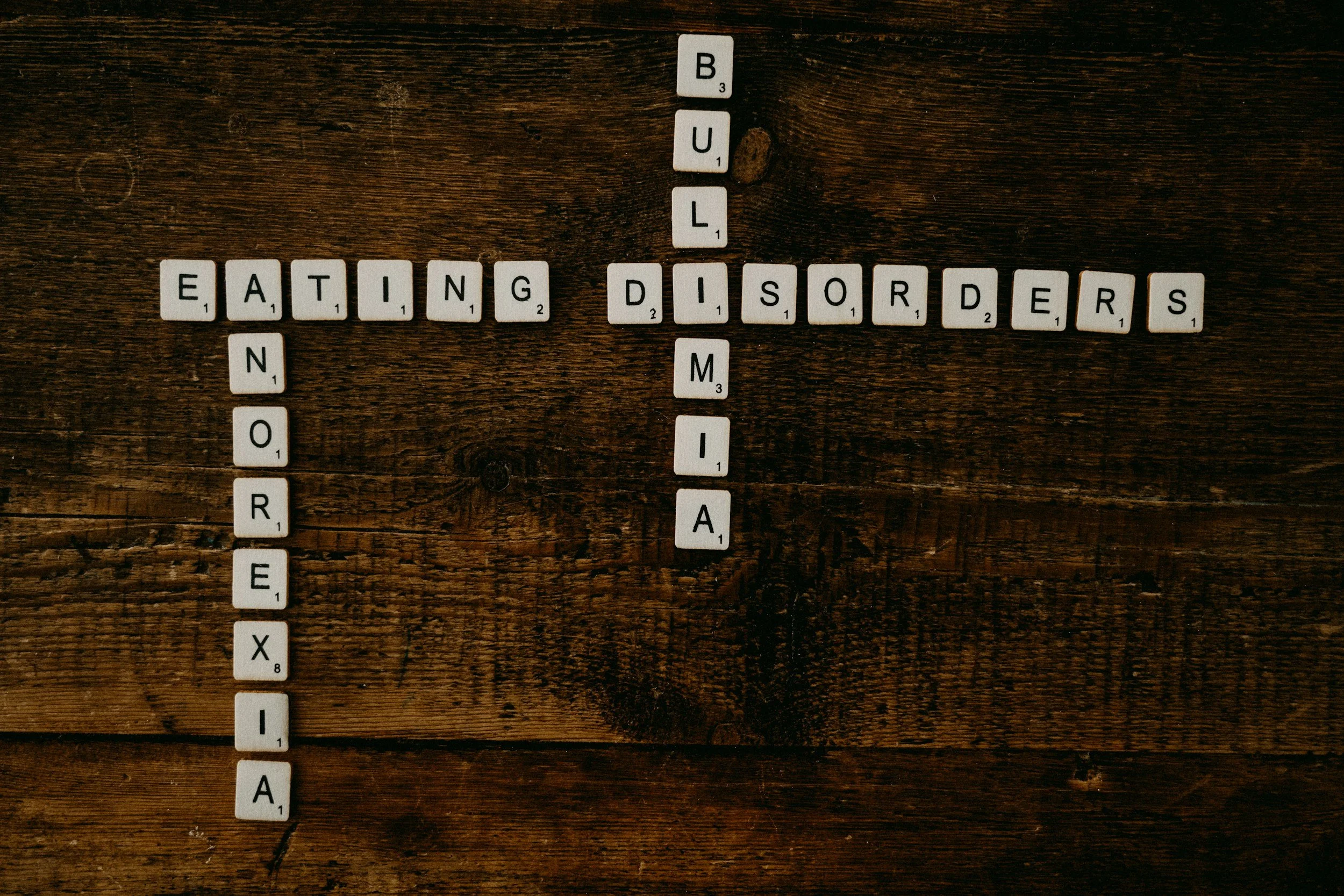
Intake often has to rise well above what feels normal in early recovery, because the body is rebuilding tissue, restoring hormones, and warming itself back up. No food is off limits, and carbohydrates, fats, and protein each do specific repair work, with carbohydrates as the brain's main fuel. Food hoarding is a predictable response to deprivation, as the men in the Minnesota Starvation Experiment showed, and regular adequate eating is its long-term answer. Hunger and fullness cues return faintly after eating becomes regular, so the clock decides until they do, and fear foods shrink through a gradual ladder of repeated exposure. Sleep, movement for pleasure, and shared meals keep food recovery steady, while wellness labels like clean and detox can turn into new restriction rules.
Eat something within an hour of waking, then again every three to four hours until bed, whether or not you feel hungry. That one instruction is the backbone of holistic nutrition after disordered eating, and it matters more than any superfood, supplement, or perfectly arranged plate. The variety, the fear foods, the sleep and connection and meaning that make the word "holistic" worth using all rest on it, so if you take nothing else from this page, take the clock.
Holistic nutrition for recovery from disordered eating means enough food, eaten regularly
In everyday wellness writing, holistic nutrition looks at food alongside stress, sleep, movement, relationships, and the life happening around the meal. The general version of holistic nutrition leans toward whole foods and gradual habit-building. After disordered eating, the same word needs a different center of gravity. The goal becomes enough food, eaten regularly, with as few rules attached as possible, inside a life that has room for more than food.
That shift sounds small. It isn't. People coming out of restriction, bingeing, or purging have often spent years treating nutrition as a project to perfect, and "holistic" can slide into being one more project. So in recovery, whole-person care looks closer to this:
Body: adequate energy, every food group, and physical safety monitored by a doctor.
Mind: noticing the thoughts that attach to food without obeying them.
Relationships: eating with other people again, at birthdays, on dates, in the office break room.
Culture: the dishes your family cooks, holiday foods, the flavors that taste like home.
Rest and movement: sleep that restores you, and movement chosen for pleasure rather than compensation.
Meaning: a life full enough that food no longer has to be the main event.
Eating disorder recovery is multidisciplinary, especially early on. A physician, a registered dietitian, and a therapist each hold a different piece. A holistic approach adds to that team rather than standing in for it.
Regular eating comes first, and intake usually has to rise well above normal
Renourishment is the stage where the body is repaired with enough food after a stretch of not getting it. Intake usually has to rise substantially early on, often well past what feels "normal," because the body is rebuilding tissue, restoring hormones, and warming itself back up. Hands and feet that were always cold, hair that thinned, a resting heart rate that dropped low: these are signs of a body running on too little, and they tend to ease only with consistent fuel.
Resources like the Centre for Clinical Interventions' Break Free From ED workbook put regular eating near the start of recovery work, typically three meals and two or three snacks a day. The structure interrupts a loop where long gaps lead to overwhelming hunger, which leads to bingeing, which leads to more restriction. I'd order the priorities like this, and I wouldn't skip ahead:
Enough. Adequate total food every day, including the days you don't feel like it.
Regular. Predictable meal and snack times that don't depend on hunger yet.
Varied. Every food group, lots of textures, foods from your culture and your past.
Flexible. Eating out, eating late, eating something unplanned without making up for it later.
Gentle nutrition. Choices about nutrients and preferences, made from curiosity instead of fear.
Diet advice usually starts at step five. Recovery starts at step one, and the order matters because gentle nutrition laid over an inadequate base turns back into restriction wearing nicer language.
One safety note belongs here. If you've been severely restricting, increasing food quickly can trigger refeeding syndrome, a dangerous shift in electrolytes such as phosphate. Renourishment after significant weight loss or long-term restriction should happen under medical supervision, with bloodwork, not alone at the kitchen counter.
No food is off limits, and every food can support recovery
Broadly, all of them. Food neutrality, the practice of dropping "good," "bad," "clean," and "junk" labels, runs through recovery resources from NEDA to the REAL Food Guide developed by Hart, Marnane, McMaster, and Thomas. A cookie and an apple are both food. They do different things in the body, and both are allowed. Within that, each macronutrient has a specific job in a body that's healing:
Food group | Why it matters in recovery | Everyday examples |
|---|---|---|
Carbohydrates | Main fuel for the brain; steadier mood and energy; often the most feared group | Toast, rice, pasta, oats, bagels, tortillas, potatoes, cereal |
Fats | Hormone production, absorbing vitamins A, D, E, and K, skin and hair, meals that satisfy | Butter, olive oil, cheese, avocado, nut butter, full-fat yogurt |
Protein | Repairing muscle and organs, including the heart; staying power between meals | Eggs, chicken, beans, tofu, fish, lentils, Greek yogurt |
Fun and comfort foods | Practicing flexibility, eating socially, letting pleasure back in | Ice cream, pizza, chips, birthday cake, a grandparent's recipe |
A sample day might look like the one below. Read it as a picture of timing and variety rather than a prescription; your portions should come from your dietitian.
Breakfast, around 8: oatmeal cooked in whole milk, a spoonful of peanut butter stirred in, sliced banana, a glass of orange juice.
Morning snack, around 10:30: cheese and crackers, or yogurt with a handful of granola.
Lunch, around 1: a turkey and avocado sandwich on soft bread, a few handfuls of chips, a bunch of grapes.
Afternoon snack, around 4: a granola bar and a warm latte.
Dinner, around 7: salmon or tofu, buttered rice, roasted carrots gone sweet and caramelized at the edges, a dinner roll.
Evening snack, around 9: a bowl of cereal, or two cookies and a glass of milk.
Real-life constraints still count. If you're vegetarian, have a diagnosed allergy or celiac disease, or manage diabetes, those needs stay. The question to work through with a dietitian is whether each restriction is medically or ethically real, or whether the eating disorder found a respectable reason to remove another food. Budget matters too. Frozen vegetables, canned beans, peanut butter, eggs, and a loaf of bread are full recovery foods, and nothing about healing requires the organic aisle.
Undereating triggers food hoarding, and that response is predictable
Recovery from undereating needs more food, eaten consistently over time
Recovering from undereating means eating more, consistently, for long enough that your body believes the supply is reliable. When hunger cues are missing, the clock decides. When early fullness makes a normal plate feel impossible, energy-dense foods help: smoothies with whole milk and nut butter, olive oil on vegetables, granola instead of plain cereal. Smaller amounts more often can carry you through the weeks when your stomach feels tight after a few bites.
Expect side effects. Bloating, slow digestion, night sweats, temporary fluid retention, and sometimes hunger that feels bottomless are common as metabolism and digestion restart. They're things to raise with your care team, and they're not signs to cut back. Intense hunger is the body asking for what it needs; answering it is part of the repair.
Food hoarding is collecting and hiding food, and it is a normal starvation response
Food hoarding is collecting and hiding food: granola bars tucked in the glovebox, crackers in a desk drawer, more stockpiled than you could use, usually with a heavy layer of secrecy and shame. It's also one of the most predictable responses to deprivation on record. In the Minnesota Starvation Experiment led by Ancel Keys in the mid-1940s, healthy men placed on a restricted diet began collecting cookbooks, studying menus, and hoarding food and objects, and many stayed preoccupied with food well after their diets were restored.
Hoarding, then, is information. It says some part of you still doesn't trust that the next meal will come. Regular, adequate eating is the long-term answer. In the meantime, it helps to name it out loud with your dietitian or therapist, keep one visible, fully allowed snack stash instead of hidden ones, and notice when the urge spikes. Skipped meals and hard days are the usual triggers.
Hunger and fullness cues return only after eating becomes regular
Hunger and fullness cues usually return after eating becomes regular, rarely before. Restriction blunts them, binge cycles scramble them, and slowed digestion can make you feel stuffed when you've eaten very little. When cues come back, they arrive faint: a hollow feeling under the ribs, a flicker of irritability around four o'clock, a stomach that stirs at the smell of onions cooking in a pan.
Practicing a slow check-in with your body before meals can help you start hearing those signals again. Use what you notice to add food, never to subtract it. For now, "I'm not hungry" isn't permission to skip a planned snack.
Fear foods shrink through gradual, repeated exposure with support
Fear foods shrink through repetition, ideally with your dietitian or therapist guiding the pace. A ladder keeps it gradual:
List them. Write down every food you avoid and rate the anxiety each one brings, from 0 to 10.
Start low. Pick something around a 3 or 4, such as buttered toast where you'd normally eat it dry.
Eat it with support. With a friend, at a family meal, or at the time of day you feel steadiest.
Repeat it. The same food, several times over a week or two, until the anxiety rating drops.
Climb. Pasta in cream sauce, then a restaurant burger, then a slice of cake at someone's birthday.
Keep it in rotation. A food challenged once and never eaten again tends to drift back onto the feared list.
Gentle nutrition, the final principle in Evelyn Tribole and Elyse Resch's Intuitive Eating framework, comes after the ladder, not instead of it. Much later, a loose picture of a balanced plate can be a helpful reference. If a plate guide starts feeling like a test you can fail, set it down. The Health at Every Size approach, which separates health behaviors from body weight, sits comfortably alongside this stage for many people.
Sleep, movement, and connection shape how well food recovery holds
Food is one strand of recovery, and the others pull on it constantly. Short sleep raises hunger and lowers patience, which makes a planned snack harder to eat and an urge harder to ride out. The relationship between evening meals and rest runs both ways, too: a satisfying dinner and a bedtime snack often help sleep more than they hurt it.
Movement comes back on its own terms, usually with medical clearance first. A walk where you notice the cold air and the crunch of leaves is a different activity from a walk timed to burn off lunch, even if the route is identical. Connection matters as much as either. Eating with people, laughing at the table, letting someone else cook for you: these rebuild trust in a way solo meals can't.
Relapse-prone moments are worth planning for ahead of time. Holidays bring unfamiliar food, crowded tables, and relatives who comment on plates and bodies, so boundary scripts and an exit plan belong in the recovery toolkit as much as any recipe. Restaurants, travel, a breakup, a brutal month at work: stress tends to reach for old coping tools. A few weekly check-in prompts can catch drift early:
Did I eat at regular times most days this week, or did gaps creep in?
Has any food slipped off my list without my noticing?
Am I moving because I want to, or because I feel I have to?
When was the last time I ate a meal with someone I like?
What took up my thinking this week besides food and my body?
Wellness language about clean eating can become another eating disorder rule
Here's where holistic eating in recovery needs the most care. Wellness vocabulary such as clean, detox, anti-inflammatory, gut-friendly, and whole-foods-only can become a socially admired hiding place for restriction. Orthorexia, an informal term rather than a formal diagnosis, describes a fixation on eating "correctly" or "purely" that narrows life the same way any eating disorder does. Holistic nutrition and orthorexia can sound almost identical from the outside, which is exactly why this boundary needs naming.
If a nutrition idea makes your list of allowed foods shorter, it isn't serving your recovery right now.
Even well-meant content on this blog, such as the post on foods a coach might recommend for inflammation, is written for people whose relationship with food is steady. If you're early in recovery, I'd park optimization reading entirely and come back to it only if your care team agrees it won't tug you backward. Watch for signs that "healthy" has turned into a rule:
Anxiety or guilt when your preferred food isn't available.
Spending long stretches researching ingredients or reading labels.
Turning down invitations because you can't control the menu.
Feeling morally better or worse depending on what you ate.
A recovery team, pregnancy plans, and warning signs guide when to get help
A physician, dietitian, and therapist form the core recovery team
A solid recovery team usually includes a primary care physician for labs and vital signs, a registered dietitian who specializes in eating disorders, and a therapist trained in eating disorder treatment, with a psychiatrist added when medication would help. Higher levels of care, from outpatient to residential programs, exist for when outpatient support isn't enough. NEDA and ANAD both offer directories and guidance for finding specialized care.
Coaching has a place, mostly later. Once you're medically stable and connected to clinical care, a wellness coach can help with the everyday scaffolding: routines, stress, sleep, rebuilding a life with more in it. Knowing what a wellness coach can and can't do matters here, because coaching supports eating disorder treatment and doesn't replace it.
Pregnancy can reawaken restriction, so tell your OB about your history
Pregorexia is an informal, non-clinical term for restricting food or exercising excessively during pregnancy to limit weight gain. Pregnancy can reawaken old patterns even years into recovery: the body changes fast, people comment freely, and appointments often include a scale. If you're pregnant or planning to be, tell your OB or midwife about your history and ask for a dietitian referral. Blind weigh-ins, where you face away from the number, are a reasonable request.
Fainting, purging, or self-harm thoughts call for a clinician today
Some signs mean contacting a clinician now rather than at your next appointment:
Fainting, dizziness, chest discomfort, or a racing or irregular heartbeat.
Vomiting, laxative use, or other purging returning.
Losing weight you were advised to keep, or rapidly cutting back intake.
Thoughts of harming yourself. In the US, call or text 988 to reach the Suicide and Crisis Lifeline, or call emergency services.
Recovery rarely moves in a straight line, and a hard week isn't a verdict on the whole thing. If you're past the acute stage, connected to clinical care, and want help building the rest of a nourished life around it, sleep, stress, relationships, the routines that keep meals steady when everything else wobbles, that's the work of health and wellness coaching. You don't have to have it figured out before reaching out. Bring the question you keep circling back to, and start there.
I’m a brand ambassador with the following companies. Here are the particulars:
Chalkboard Candle Co - https://chalkboardcandleco.com/ - Use code ILENEBETH15 to receive your 15% discount
Own Your Stigma - https://ownyourstigma.com/ - Use code ILENEBETH15 I receive credit. Additionally, use referral link https://ownyourstigma.com/?ref=tcwitrnu for me to receive a 5% commission. Additionally, use referral link https://ownyourstigma.com/?ref=tcwitrnu for me to receive a 5% commission
Apres Beauty - https://apresbeauty.co/ - Use code ILENEBETH I receive credit. Additionally, use referral link https://apresbeauty.co/?ref=upunijjp for me to receive a 10% commission
Valltees - https://valltees.com?shop_consented_scopes=email%3Averified+openid+pay%3Asession_token+profile+shop%3Aaccount_uuid&shop_sign_in=true - Use code ILENEBETHMILLER I receive credit. Additionally, use referral link https://valltees.com/?ref=ILENEBETHMILLER for me to receive a 15% commission. get credit. Additionally, use referral link https://valltees.com/?ref=ILENEBETHMILLER for me to receive a 15% commission
Emmafy - https://emmafy.com/ - Use code ILENE44857 use affilate link https://www.emmafy.com/ILENE44857 when ordering
RBF - https://www.rbfmovement.com/ - Use code ILENEBETH I receive credit. Additionally, use referral link https://www.rbfmovement.com/?ref=ILENEBETH for me to receive a 10% commission
Disclaimer: I receive compensation for purchases made