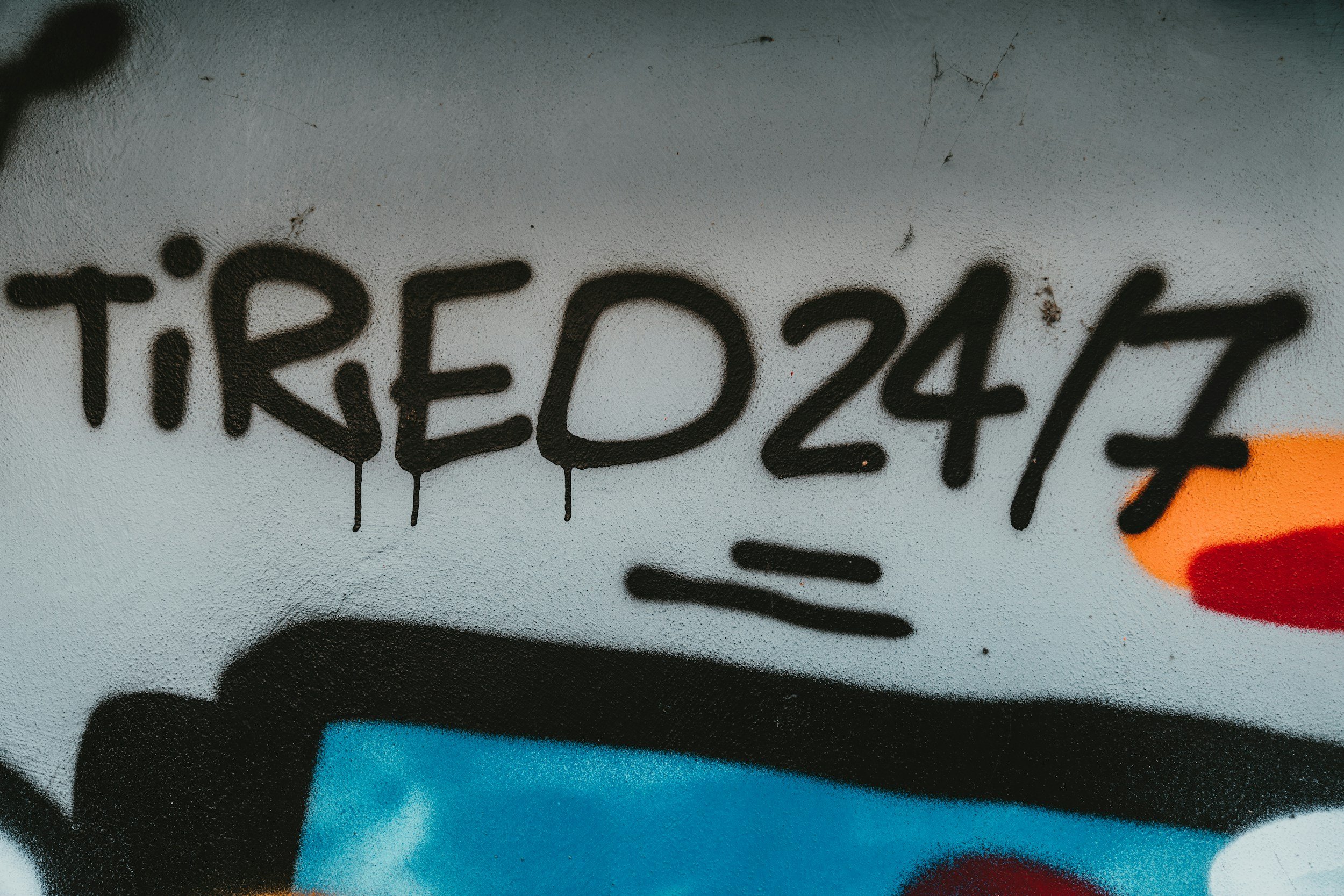
Push-and-crash cycles keep unexplained fatigue going, so the first job in coaching is finding your baseline: the amount of activity you can manage on an ordinary day without paying for it tomorrow. To find it, log activities and morning and evening energy ratings for one to two weeks, plan days a little under that line, rest before you need to, and add a small amount only after a couple of steady weeks. Exhaustion that worsens a day or two after physical or mental effort belongs in a doctor's office before any activity increase, because gradual build-up can backfire with ME/CFS. Heavy periods, thyroid conditions, and perimenopause commonly drive fatigue in women, and iron, B12, and vitamin D supplements should follow testing.
If you're looking into coaching for unexplained fatigue, the first appointment I'd want you to book is with a doctor. The first habit I'd want you to start is a cheap notebook left open on the kitchen counter. Coaching can help a great deal with exhaustion nobody has managed to name, but it works best layered on top of a medical workup, and it works fastest when you walk into both rooms carrying a record of what your days feel like.
That notebook earns its place. Fatigue without a diagnosis tends to blur. Monday's heavy legs, Wednesday's fog, the Friday afternoon when the fluorescent lights at the grocery store felt too bright to stand under: they all run together into one grey smear called "I'm always tired." A doctor can't do much with a smear, and neither can a coach. A week or two of short notes (when you woke, how you slept, what you ate, what you did, how you felt the following day) turns that smear into a pattern you can work with.
Fatigue that sleep doesn't fix often starts with a cause you can name
Ordinary tiredness has a cause you can point to and a fix that works. A late night, a long hike, a teething baby, then rest, and the tank refills. Fatigue keeps going after the rest. It's the heaviness still sitting on your chest after nine hours in bed, arms that feel packed with damp sand when you lift the laundry basket, the word that slips away mid-sentence. Cleveland Clinic's health library draws the same line between tiredness that rest relieves and fatigue that persists through it.
Possible causes fall into a few overlapping groups, and more than one can be in play at the same time:
Medical: low iron or anemia, an underactive thyroid, blood sugar problems including diabetes, low vitamin B12 or vitamin D, sleep apnea, depression and anxiety, lingering effects after an infection (Long COVID among them), and side effects from medications.
Lifestyle: short or broken sleep, alcohol, caffeine late in the day, skipped meals followed by sugar swings, dehydration, and either too little movement or more than your body can recover from.
Stress load: months of pressure keep the body's alarm system switched on, and the way cortisol behaves under chronic stress can leave you wired at night and flat by mid-morning.
Burnout and caregiving: work overload, looking after an ill parent, or running a household on empty for years, often with sleep that looks adequate on paper and feels thin in practice.
Heavy periods, thyroid issues, and perimenopause commonly drive fatigue in women
If you've typed "why am I always tired, female" into a search bar at 2 a.m., a few specific causes deserve a closer look. Heavy periods drain iron stores slowly, sometimes for years before anyone checks. Thyroid conditions are more common in women than in men. Perimenopause can scramble sleep with night sweats and 4 a.m. wake-ups long before periods stop, and the postpartum year piles hormonal shifts on top of broken nights. Food can support some of this, and the foods that support hormone balance are a sensible place to begin once a doctor has checked your levels.
Then there's the load that never shows up in a blood test: remembering the dentist appointments, the school forms, the birthday gifts, the mood of everyone at the dinner table. Carrying that mental inventory all day is tiring in its own right, and it rarely gets named in a ten-minute appointment.
A doctor should rule out medical causes before coaching starts
The NHS self-help guidance on tiredness suggests seeing a GP when you've felt tired for several weeks without a clear reason, and I'd hold to that before starting any coaching. Some symptoms mean you shouldn't wait weeks at all. Get prompt medical care if fatigue comes with any of these:
weight loss you can't explain
fevers, heavy night sweats, or swollen glands
shortness of breath, chest discomfort, or a racing heart
very heavy periods or blood in your stool
a new, severe headache or changes in your vision
low mood with any thoughts of harming yourself (contact a doctor or crisis line the same day)
exhaustion that gets markedly worse a day or two after physical or mental effort, which is worth raising by name because it's a hallmark of ME/CFS
Short appointments reward preparation. Before you go:
Bring one to two weeks of notes, with a simple 0 to 10 energy rating each morning and evening.
Write a one-paragraph timeline: when the fatigue started and what else was happening then (an illness, a move, a loss, a new job).
List every medication and supplement, plus your typical alcohol and caffeine intake.
Describe your sleep, including snoring or gasping if a partner has noticed it.
Ask which tests make sense for you. Common starting points include a full blood count, iron stores (ferritin), thyroid function, B12, vitamin D, blood glucose or HbA1c, and kidney and liver function.
Ask what change in your symptoms would warrant a retest or a referral.
Normal results close certain doors. They don't explain why you still feel like you're wading through warm mud by 3 p.m., and they don't make the fatigue imaginary. That leftover gap, where the tests are clear and the exhaustion isn't, is where coaching has the most to offer.
A first session of coaching for unexplained fatigue maps your day to find where energy leaks
A first session usually looks less like advice and more like mapmaking. You and the coach sketch an ordinary day hour by hour: when you wake, what you eat and when, where the energy dips, what drains you and what refills you, who you're carrying. Sleep, food, movement, stress, workload, and relationships all go on the same page, because fatigue rarely stays inside one category. From that map you pick one or two small experiments for the coming week. Then you check in, see what shifted in the log, and adjust.
Scope matters here, and a good coach is clear about it. There's a longer piece on what a wellness coach does and doesn't do, but the short version sits in this table:
Role | Main job | What they bring to fatigue | Outside their lane |
|---|---|---|---|
Doctor | Diagnose and treat medical conditions | Testing, diagnosis, medication, referrals | Week-to-week habit change and daily follow-through |
Therapist | Treat mental health conditions | Care for depression, anxiety, and grief that can drive exhaustion | Ordering tests, nutrition and pacing plans |
Wellness coach | Support behavior change toward your goals | Pacing, sleep and food experiments, stress habits, accountability | Diagnosis, prescribing, treating mental illness |
The part I value most is the feedback loop. A coach keeps the log running between appointments, so if a new symptom appears or the post-exertion pattern starts showing up, you go back to your doctor with dates and details instead of a vague sense that things are worse. Coaching and medical care work best side by side, each sharpening the other.
Push-and-crash cycles keep fatigue going, so pacing comes first
Push-and-crash is the cycle that keeps unexplained fatigue going longer than it needs to. On a good morning you feel almost normal, so you scrub the bathroom, answer every email, and walk the long loop with the dog. The next two days you're flat on the sofa, curtains half drawn, paying for it. Then the next good morning arrives and the whole thing repeats.
Your best day is a poor guide to your capacity. Your baseline is what you can do on an ordinary day without paying for it tomorrow.
Finding that baseline is the first real piece of coaching work, and it goes like this:
Track: for one to two weeks, log activities alongside morning and evening energy ratings, and note how you felt the day after each.
Find the line: look for the amount of activity you can manage on most days with no worse next day.
Set a budget: plan your days a little under that line, even on good mornings.
Break tasks down: sit to chop vegetables, split errands across days, shower in the evening if mornings are your best hours.
Rest before you need to: ten to twenty minutes lying down with your eyes closed, phone in another room, scheduled rather than collapsed into.
Hold, then nudge: stay steady for a couple of weeks before adding a small amount. If a crash follows, step back to the previous level.
One caution. If your notes show the delayed worsening described earlier, talk to your doctor before increasing activity at all, because the gradual build that helps many tired people can backfire with ME/CFS.
The 5 P's give pacing a memorable structure for low-energy days
The 5 P's come from energy-conservation advice used in occupational therapy, and they give pacing a shape you can remember on a foggy day:
Prioritize: decide what has to happen today, what can wait, and what can go entirely.
Plan: spread heavy tasks across the week and gather everything you need before you start one.
Pace: work in short blocks with breaks built in, stopping before you're spent.
Position: sit when you can, keep often-used things between waist and shoulder height, and avoid long stretches of bending and reaching.
Permission: allow yourself to rest, to ask for help, and to say no without a long explanation.
Permission tends to be the hardest of the five. Plenty of exhausted people can plan beautifully and still feel guilty lying down at 2 p.m., which is why the emotional side of coaching matters as much as the schedule.
Steady meals and hydration help, though their effects are modest
The natural remedies with the best case behind them are unglamorous. Eat breakfast with protein and fiber rather than toast on its own, and keep meals regular so your blood sugar isn't climbing and dropping all afternoon. A few snacks that hold energy steady help bridge the long gap between lunch and dinner.
Drink water before reaching for a third coffee. Even mild dehydration can feel like fog behind the eyes, and the link between hydration and mood runs through the brain as much as the body. Beyond food and water, a handful of small daily shifts are worth a two-week trial:
Step outside within an hour of waking, even for five minutes of grey morning light.
Stop caffeine after midday.
Watch what alcohol does to the second half of your night; the 3 a.m. wake-up is often the tell.
Keep the bedroom dark and cool, and move dinner earlier if late evening meals are disturbing your sleep.
Take short, easy walks rather than occasional hard workouts.
Supplements need more care than they get online. Iron is the clearest example: it helps when stores are low and can cause harm when they aren't, so test first. The same test-before-taking logic applies to B12 and vitamin D.
As for fixing fatigue quickly, a glass of water, ten minutes of fresh air, and a protein-rich snack can lift an afternoon slump within the hour. Lasting change runs on a slower clock, usually measured in weeks of steady habits, and expecting otherwise is a fast route back into push-and-crash.
A good fatigue coach asks about your medical workup first
The right coach asks about your medical workup in the first conversation. If they don't, keep looking. Beyond that, here's what I'd listen for on a discovery call:
They ask whether you've seen a doctor and what was tested.
They can explain pacing and baselines in plain terms, and they treat rest as part of the plan.
They name what they won't do: diagnose, prescribe, or treat depression.
They hold a health and wellness coaching credential and can tell you where they trained.
They work across sleep, food, stress, and relationships rather than handing you a single protocol.
Red flags are easy to spot once you know them. Be wary of anyone who promises a cure, sells their own supplement line as the answer, suggests stopping prescribed medication, treats "push through it" as a strategy, or brushes off your doctor's input.
If the bloodwork came back normal and you're still dragging yourself through afternoons, that's a good moment to talk. My health and wellness coaching brings sleep, food, stress, and the rest of your life into one conversation, and a first call is a chance to see whether that fits. Bring the notebook. You may not find a single neat cause, and some weeks will still feel heavy, but there are probably more good hours hiding in them than you can see right now.
I’m a brand ambassador with the following companies. Here are the particulars:
Chalkboard Candle Co - https://chalkboardcandleco.com/ - Use code ILENEBETH15 to receive your 15% discount
Own Your Stigma - https://ownyourstigma.com/ - Use code ILENEBETH15 I receive credit. Additionally, use referral link https://ownyourstigma.com/?ref=tcwitrnu for me to receive a 5% commission. Additionally, use referral link https://ownyourstigma.com/?ref=tcwitrnu for me to receive a 5% commission
Apres Beauty - https://apresbeauty.co/ - Use code ILENEBETH I receive credit. Additionally, use referral link https://apresbeauty.co/?ref=upunijjp for me to receive a 10% commission
Valltees - https://valltees.com?shop_consented_scopes=email%3Averified+openid+pay%3Asession_token+profile+shop%3Aaccount_uuid&shop_sign_in=true - Use code ILENEBETHMILLER I receive credit. Additionally, use referral link https://valltees.com/?ref=ILENEBETHMILLER for me to receive a 15% commission. get credit. Additionally, use referral link https://valltees.com/?ref=ILENEBETHMILLER for me to receive a 15% commission
Emmafy - https://emmafy.com/ - Use code ILENE44857 use affilate link https://www.emmafy.com/ILENE44857 when ordering
RBF - https://www.rbfmovement.com/ - Use code ILENEBETH I receive credit. Additionally, use referral link https://www.rbfmovement.com/?ref=ILENEBETH for me to receive a 10% commission
Disclaimer: I receive compensation for purchases made