How Hydration Affects Mood and Focus, According to Holistic Nutrition
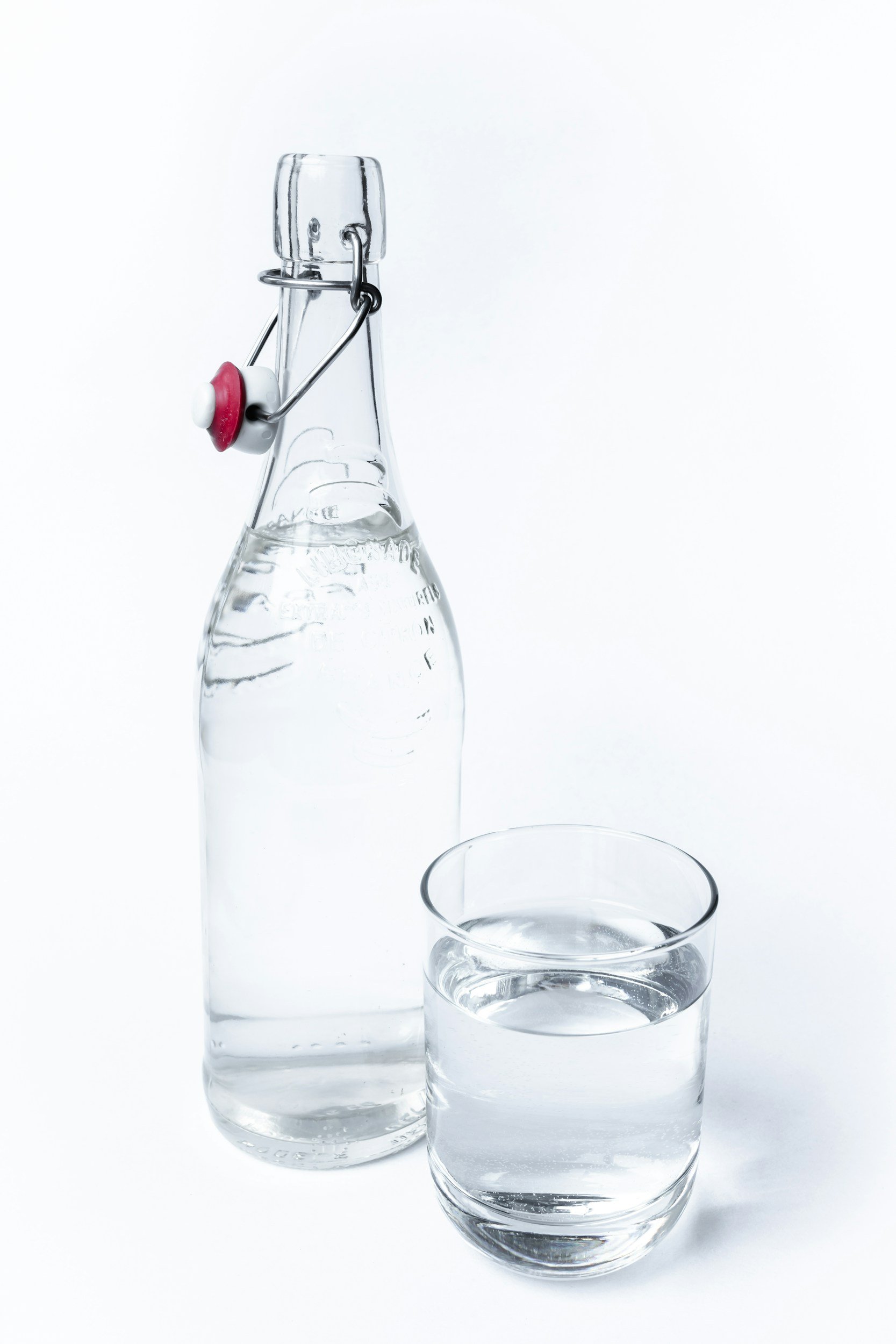
Mood and focus shift measurably at roughly 1 to 2% body water loss, a threshold far lower than most people assume, often reached by mid-afternoon after nothing more than a skipped glass of water. Dehydration rarely announces itself as thirst. It shows up as irritability, foggy concentration, and a shorter fuse, driven by reduced plasma volume, a vasopressin release that interacts with the stress axis, and a documented rise in perceived task difficulty. Caffeine, alcohol, and high-sodium food all raise fluid needs without raising thirst to match, and drinking large volumes of plain water while eating very little can dilute sodium enough to produce the same low mood and headache dehydration causes. Three days of logging fluid intake, urine color, and mood alongside a hydration schedule anchored to existing daily routines reliably shallows the afternoon mood dip within a week. Hydration will not treat a clinical condition, but removing it as a variable makes whatever else is driving fatigue or low mood easier to identify.
The irritability that shows up around 3pm, the sentence you read four times without absorbing, the short fuse with your partner over something small: before you call that a personality flaw or a stress problem, check whether you've had water since breakfast. The link between hydration and mood is one of the least dramatic and most reliable levers in holistic nutrition, and it works faster than almost anything else you can change about how you eat.
This piece walks through the mechanism in plain terms, then gives you a step-by-step method for testing it on yourself over about a week. You'll also find the parts most articles skip: what caffeine and alcohol are doing to the equation, when too much water becomes its own problem, and how the picture shifts for older adults, athletes, and anyone tracking a menstrual cycle.
Hydration and Mood Shift Measurably at Roughly 1: 2% Body Water Loss
Start here, because the numbers are smaller than most people expect. Research on hydration and mood consistently finds measurable effects at roughly 1–2% loss of body water. In one widely cited study from the University of Connecticut's Human Performance Laboratory, Armstrong and colleagues observed mood and cognitive changes in healthy young women at around 1.36% dehydration. That's not collapse-in-the-desert territory. That's a warm office, a busy morning, and a skipped glass.
Blood is mostly water. When total body water drops, plasma volume drops with it, and your blood gets slightly thicker and slightly harder to move. Your heart works a little more for the same delivery of oxygen and glucose to the brain. At the same time, the hypothalamus detects a rise in blood concentration and releases vasopressin, the antidiuretic hormone that tells your kidneys to hold onto fluid. Vasopressin doesn't stay in its lane. It interacts with the stress axis, and low-grade fluid loss is associated with cortisol shifts and a mild tilt toward fight-or-flight readiness.
Which is why the feeling has a particular texture. Not sadness exactly. More like everything requires slightly more effort than it should, the room feels louder, and your patience has a shorter runway. The research literature describes it as increased perceived task difficulty, and that phrase is precise: the task didn't change, your sense of how hard it is did.
Dehydration rarely announces itself as thirst. It announces itself as a bad mood you're about to blame on someone else.
The cognitive side travels with the mood side. Attention, short-term memory, and reaction time all soften. Headache is common enough to be a flag worth trusting. And rehydration studies suggest the effect runs both directions: people who were low on fluid and then drank reported improved mood and sharper concentration, not merely a return to neutral.
Three days of baseline logging reveals your personal hydration pattern
Resist the urge to immediately start chugging. You'll learn more by watching yourself first for three ordinary days, because the pattern you're looking for is a timing pattern, not a total.
Keep a note on your phone. Four times a day — mid-morning, early afternoon, late afternoon, evening — log three things:
Fluid since the last check-in. Rough volume. A mug, a bottle, half a glass. Count coffee and tea; note them separately.
Urine color. Pale straw is the target. Deep amber means you're behind. Completely colorless and frequent means you may be overshooting.
Mood and focus, 1 to 5. One number each, no explanation. Fast and plain beats thoughtful.
After three days, lay the notes side by side and look for the dip. Most people find one reliable trough, and it usually sits four to six hours after their last real intake. If your 2:40pm focus score is always a 2 and you notice your last water was with breakfast, you've just found something more useful than a productivity app. This is the same kind of self-observation that makes telling genuine hunger from a craving possible: you're building a record instead of relying on memory, which is unreliable precisely when you're depleted.
Urine color and frontal pressure signal dehydration faster than thirst
Thirst is a lagging indicator. By the time it registers clearly, you're often already in that 1–2% range, and the sensation dulls further with age. So build a short checklist you can run in ten seconds.
| Signal | What it feels like | What it often means |
|---|---|---|
| Urine color | Pale straw to deep amber | The most direct read you have; amber means catch up now |
| Dull frontal headache | Pressure behind the forehead, worse standing | Frequently fluid-related, especially late afternoon |
| Irritability spike | Small things feel disproportionate | Classic mild-dehydration mood signature |
| Re-reading the same line | Text goes in, nothing sticks | Attention and short-term memory softening |
| Dry mouth, sticky lips | Tongue feels thick, speech effortful | Late signal — you're already behind |
Two of these together in the same hour is enough to act on. Don't wait for all five; by then you're managing a problem instead of preventing one.
Anchor fluid intake to existing daily routines, not abstract targets
Daily fluid targets get argued about endlessly, and in truth the argument is less useful than a schedule. General adequate intake guidance for total water — note that it includes water from food, not just what you drink — exists from major health bodies, and many mainstream health resources summarize this guidance in plain language. Look those up once, treat them as a rough frame, and then stop thinking about totals. What really changes your afternoon is distribution.
Anchor water to existing habits rather than to the clock, because you already forget the clock:
Before coffee, not instead of it. A full glass on waking, before the first cup. You've gone seven or eight hours without fluid and you're about to add a mild diuretic.
With every meal. Not a sip. A real glass, on the table, poured before you sit down.
At the transition points. Leaving your desk, ending a call, walking the dog, picking up kids. Transitions are already cued in your brain; hang the glass on them.
Front-load the first half of the day. Aim for roughly half your intake before 2pm. This is the single change most likely to flatten that afternoon mood dip.
Taper after dinner. Enough to stay comfortable, not so much that you're up at 2am. Broken sleep is its own mood problem, and it loops straight back into the next day.
That last point deserves a beat. Poor sleep worsens next-day mood and attention, and dehydration can fragment sleep through dry airways, nocturnal thirst, and cramping. Fix the daytime distribution and the evening looks after itself. If your rest is already unreliable, the way meal timing shapes how well you sleep is the companion piece to this one.
High-water foods deliver significant fluid without conscious drinking
A meaningful share of daily fluid comes from food, which is the part people skip when they fixate on bottles. Cucumber, celery, iceberg and butter lettuce, watermelon, strawberries, oranges, and tomatoes all sit above 90% water. Broth-based soups, plain yogurt, and cooked oats contribute more than they look like they do. A crisp Persian cucumber sliced into cold water with a torn mint leaf tastes like something rather than like an obligation, and that matters more than any nutrition argument, because you'll finish the glass.
Water alone isn't the whole picture, though
Sodium, potassium, and magnesium govern how fluid moves between your bloodstream and your cells. Drink large volumes of plain water while eating very little, sweating heavily, or recovering from a stomach bug, and you can dilute sodium enough to feel worse rather than better: headache, nausea, confusion, low mood. That's the early edge of hyponatremia, and it's the part of the hydration conversation almost nobody covers.
You don't need an engineered sports drink for ordinary life. A pinch of sea salt in a morning glass, a banana or a handful of dried apricots for potassium, pumpkin seeds or dark leafy greens for magnesium, and a cup of miso or bone broth after a hard workout will generally cover it. Most of these already live on a whole-food shopping list, which is convenient — hydration isn't a separate project from eating well.
When electrolytes deserve real attention: long or hot workouts, illness with vomiting or diarrhea, very low-carbohydrate eating, heavy sweating at work, or medications that affect fluid balance. If you're in one of those categories, that's a conversation with your physician, not a blog post.
Caffeine, alcohol, and salt shift hydration need more than most realize
Three everyday inputs shift the hydration and mood equation without much notice, and two of them are probably already in your morning.
Caffeine is a mild diuretic. For regular drinkers the effect is smaller than folklore suggests, and coffee and tea do contribute to daily fluid. The trouble isn't the water math — it's substitution. If three coffees replace three glasses of water, and caffeine is also thinning your sleep and nudging cortisol, you arrive at 4pm jittery, dry, and convinced you need a fourth. That's a mood spiral with a simple exit: pair each coffee with a glass of water and drink the water first.
Alcohol suppresses vasopressin outright, which is why you urinate more than you drank and wake up with a headache and a flat, anxious mood. A glass of water between drinks and one before bed noticeably softens the next morning. Not a cure, but a real difference.
High-sodium eating — takeout, restaurant meals, most packaged snacks — raises your fluid requirement without raising your thirst proportionately. A salty dinner followed by an unusually short-tempered evening isn't a coincidence, and it's one of the patterns that shows up when people start tracking how chronic stress changes what they eat. Stress drives convenience food, convenience food drives sodium, sodium drives fluid demand, and the mood cost lands a few hours later.
Age and hormonal cycle require different hydration schedules
General guidance gets you most of the way. These adjustments get you the rest.
Older adults. Thirst perception declines with age and kidney concentrating ability changes, so dehydration can reach the confusion-and-low-mood stage before anyone registers thirst. Schedule fluid rather than waiting for the signal. If you're caring for a parent, this belongs on the same list as medication timing — and if that role is wearing on you, the early signs of caregiver burnout are worth knowing before they compound.
Athletes and heavy sweaters. Sweat losses vary enormously between people. Weigh yourself before and after a long session; each pound lost is roughly 16 ounces of fluid to replace, with sodium alongside it.
Menstrual cycle. Fluid balance shifts across the luteal phase alongside progesterone and body temperature. If the days before your period reliably bring headaches and a shorter fuse, hydration is one variable worth isolating before you assume it's purely hormonal.
Anxiety and low mood. Hydration will not treat a clinical condition, and I want to be direct about that. But dehydration mimics and amplifies anxiety symptoms — racing heart, lightheadedness, difficulty concentrating — so removing it as a variable makes the underlying picture easier to read, for you and for whoever you're working with clinically.
Habitual low drinkers. Interestingly, research comparing high and low habitual drinkers (Pross and colleagues compared people consuming 2–4 liters daily against those under 1.2 liters) suggests your body adapts to your usual pattern, and changing it in either direction produces short-term mood effects. Increase gradually over a week or two rather than overnight.
One week of consistent hydration typically shallows afternoon mood dips
Take your baseline notes, apply the schedule from Step 4, and keep logging mood and focus the same way for seven days. One variable, one week, same scoring.
What you're looking for isn't a euphoric transformation — anyone promising that is selling something. You're looking for the afternoon trough to get shallower. The 2 becomes a 3. The headache shows up twice instead of five times. You finish the workday with something left over. Those are real and they compound, because a shorter fuse at 5pm is the thing that becomes an argument at 6pm.
If seven days of steady, well-distributed fluid changes nothing at all, that's useful information too. It means the fatigue and irritability are pointing somewhere else: blood sugar swings, sleep architecture, iron or B12, thyroid, or a stress load that's simply too heavy to out-hydrate. Worth naming plainly: sometimes the body is carrying something that no amount of water reaches, and the way chronic stress settles into the body explains a lot of the symptoms people assume are nutritional.
Hydration is the cheapest test in wellness. It costs nothing, it takes a week, and it either removes a variable or confirms one. I'd run it before almost anything else, and I'd run it before I'd buy a supplement.
Water stabilizes blood sugar and mood through interconnected systems
None of this works as an isolated fix. Water supports blood sugar stability, which supports steady energy, which supports the patience you need for a hard conversation at dinner. Pull one thread and the others move. That's the actual claim holistic nutrition makes, and it's a modest one: the body is a single system, and the small inputs you control daily have more use than the dramatic ones you attempt occasionally. If you're building from scratch, the starting points for holistic eating layer neatly on top of a hydration habit, and steady snacks that hold energy level handle the blood sugar side of the same afternoon dip.
Start tomorrow morning with one glass before the coffee. Log four numbers a day for three days. See what the pattern tells you about your own hydration and mood before you decide what the problem is.
And if the notes come back showing something bigger than thirst — a week of 2s, a tiredness that water doesn't touch — that's worth bringing to someone. Working through nutrition, stress, and daily habits together tends to surface what a single variable can't, especially the link between hydration and mood. Sometimes the glass of water is the whole answer. Often it's the first thing that clears enough fog for you to see what else is going on.